Strategy Games
Choose a plan you can test in a single round
The Strategy tag on Pokia gives you several ways to think ahead. A squad game asks you to choose who takes part. A base-building game asks which options a new structure will open. A puzzle can ask you to clear an obstruction before another piece can move. Pick the kind of plan you want to work on. A short round can give you a useful result if it tells you which of your assumptions held up.
Learn what a squad member contributes
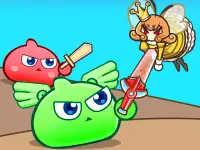
Mech Arena Robots War lets you collect mechanical dinosaurs and put them into squads. Before making a lineup, look at what the game tells you about the machines you already have. Choose one machine whose role you want to understand and pay attention to what changes when it joins the group. It is easier to learn from a match when you have something more specific to look for than whether the result was good.
Try changing one choice after the match. If you keep most of the group familiar, you can watch where it feels different as the action develops. Look for the moment that made you want to revise your setup. For more games organised around a visible contest and a chance to try a different setup, browse Battle.
Read a building choice as the start of another decision
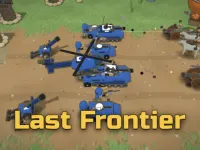
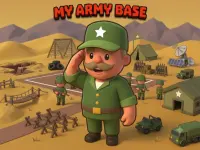
Last Frontier describes a real-time 3D base game with barracks, factories, and towers. In the opening, read what one structure makes available before placing several of them. Check what happens to the choices in the interface after you add it. That gives you a clear way to learn what a building is for. You can spend a short visit understanding one relationship between a structure and the way the base develops.
Consider what you wanted to be able to choose after the construction finished. If something else becomes possible, remember it for another round. The Tower Defense tag has more games where a place takes shape before the next phase arrives.
Look for the arrow that frees another
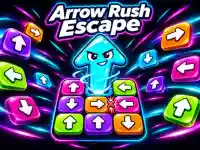
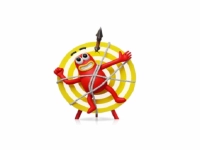
Arrow Rush Escape is a neon puzzle about sliding arrows off a board in the right order. An arrow points toward an exit but may have another piece in its way. Pick a blocked arrow and see which movement must happen first. If that movement is also unavailable, follow the obstruction one step farther. A small chain of dependencies can give you a reason for an early move even if it is far from the piece you first wanted to free.
End with one decision you can explain
Choose the squad for a comparison between lineups, the base for a changing set of choices, or the board for a clear ordering problem. The Logic tag offers more ways to explore the last of those ideas. When you stop, remember what one move made possible and use it as the starting point for another attempt.
Check whether the result leaves room to try your original plan again.